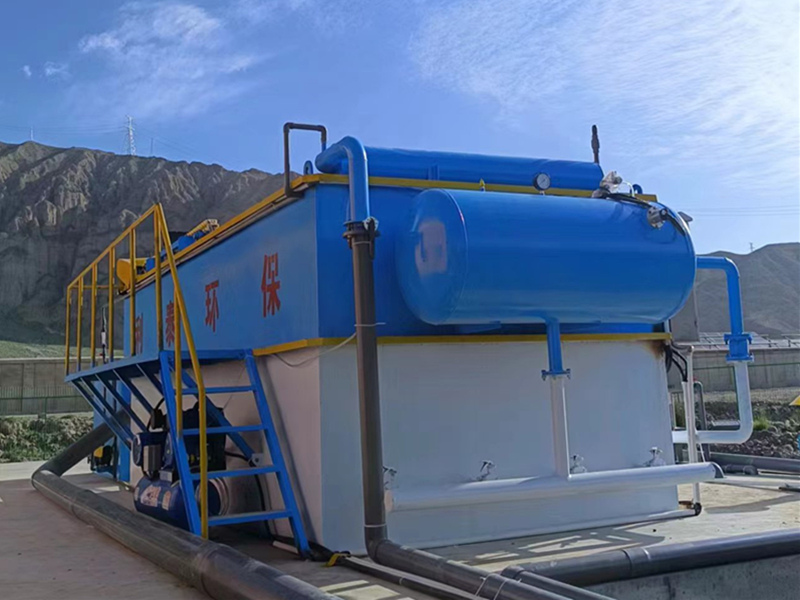
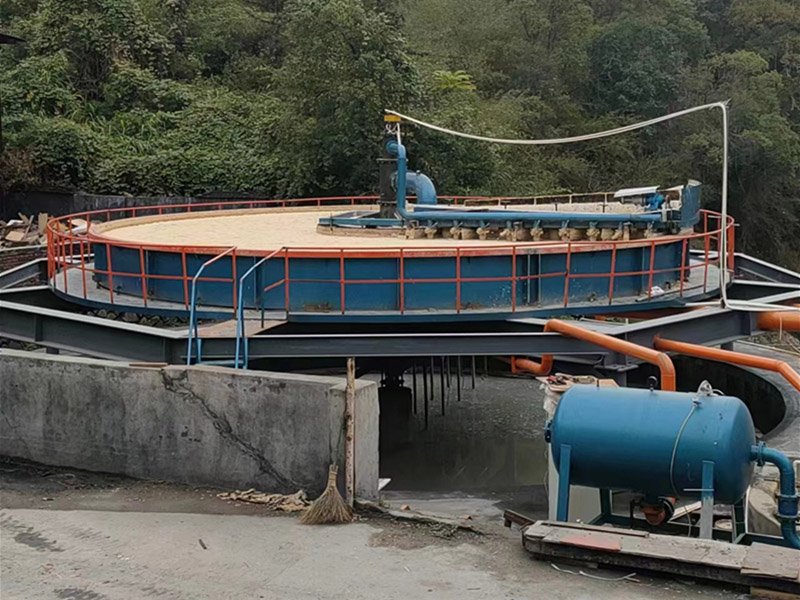
The core logic of Dissolved Air Flotation (DAF): Under high pressure, a large volume of air is dissolved into water. The water is then rapidly depressurized to release micro-sized tiny bubbles. These bubbles adsorb suspended flocs in the wastewater, which float to the water surface to form scum relying on buoyancy. The scum is scraped off by a slag scraper to realize solid-liquid separation.
Payment :
T/TColor :
CustomisedShipping Port :
Port of ChinaLead Time :
Two MonthsMin. order :
One SetThe core logic of Dissolved Air Flotation (DAF): Under high pressure, a large volume of air is dissolved into water. The water is then rapidly depressurized to release micro-sized tiny bubbles. These bubbles adsorb suspended flocs in the wastewater, which float to the water surface to form scum relying on buoyancy. The scum is scraped off by a slag scraper to realize efficient solid-liquid separation.
• Clean water (recycled effluent from flotation tank, known as dissolved air water) is pressurized to 0.3–0.5 MPa by a dissolved air pump.
• The high-pressure water pump draws in air. Inside the dissolved air tank, air and water are fully mixed. High pressure enables massive dissolution of air in water. The higher the pressure, the greater the solubility of air, storing dissolved air for generating micro-bubbles in the subsequent step.
Pressurized dissolved air water passes through a releaser (a key component with microporous or baffle structures) and instantaneously depressurizes to atmospheric pressure. Air dissolved in water cannot remain dissolved under normal pressure, so a large number of fine microbubbles (10–100 μm) precipitate immediately. Smaller bubbles have a larger specific surface area and stronger capacity to adsorb suspended solids.
Coagulants (PAC) and flocculants (PAM) are dosed into wastewater in advance. Oils, suspended solids, colloids, and sludge in water aggregate into floc alums. When microbubbles contact flocs, they adhere to the surface of flocs via adsorption and net capture, forming floc-bubble composites. The overall density of composites is far lower than water, generating buoyancy for upward flotation.
• Flocs attached with bubbles continuously float up and accumulate on the surface of the flotation tank to form a scum layer.
• A surface slag scraper moves at a constant speed, scraping scum into a slag trough for discharge (the sludge is transported out for subsequent treatment).
• Clear water at the bottom overflows downward. Part of the treated clean water is discharged up to standard, and the rest circulates back to the dissolved air tank to prepare dissolved air water.
Dissolved Air Tank: A sealed pressure vessel that completes air-water dissolution and guarantees high air dissolution efficiency.
Releaser: Instantly reduces pressure to produce massive microbubbles; keeping this component clear of blockage directly maintains flotation performance.
Slag Scraper: Periodically removes surface scum to prevent sludge from sinking back and causing secondary pollution to the effluent.
Applicable Scenarios: Ideal for oily wastewater, papermaking white water, printing and dyeing wastewater, food and slaughter wastewater, electroplating suspended matter wastewater, low-concentration sludge thickening, etc. It specifically targets fine suspended solids with a density close to water that are difficult to separate via traditional sedimentation.
Key Advantages:
1. Tiny microbubbles deliver exceptionally high separation efficiency and crystal-clear effluent quality.
2. Short hydraulic retention time (only 10–20 min), ensuring a significantly smaller equipment footprint.
3. Low water content of discharged scum, offering much better sludge reduction than normal sedimentation tanks.
4. Far superior removal efficiency for light flocs and emulsified oil compared with standard gravitational settling processes.
Summary Flow: Pressurized dissolved air water → Depressurization to release microbubbles → Microbubbles adsorb flocs → Scum floats up & is scraped away → Complete solid-liquid separation.
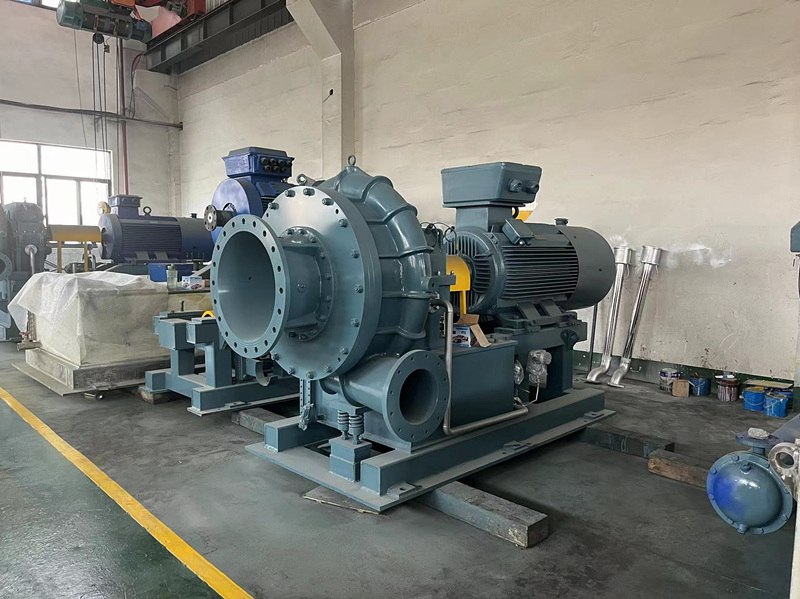
The core logic of Dissolved Air Flotation (DAF): Under high pressure, a large volume of air is dissolved into water. The water is then rapidly depressurized to release micro-sized tiny bubbles. These bubbles adsorb suspended flocs in the wastewater, which float to the water surface to form scum relying on buoyancy. The scum is scraped off by a slag scraper to realize solid-liquid separation.
Learn More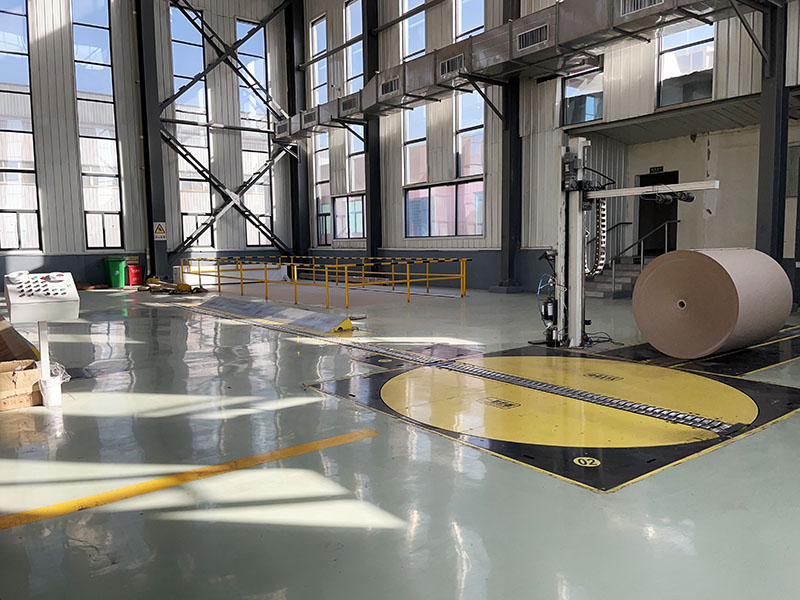
The core logic of Dissolved Air Flotation (DAF): Under high pressure, a large volume of air is dissolved into water. The water is then rapidly depressurized to release micro-sized tiny bubbles. These bubbles adsorb suspended flocs in the wastewater, which float to the water surface to form scum relying on buoyancy. The scum is scraped off by a slag scraper to realize solid-liquid separation.
Learn More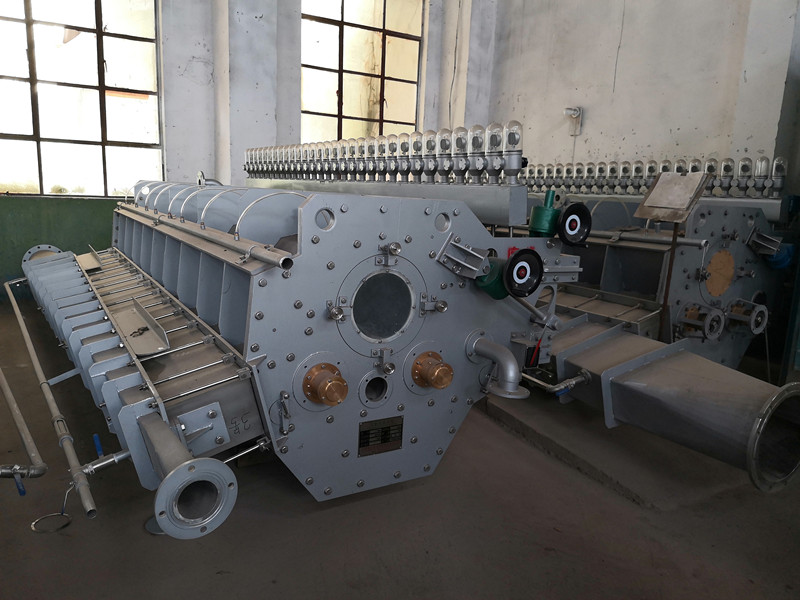
The core logic of Dissolved Air Flotation (DAF): Under high pressure, a large volume of air is dissolved into water. The water is then rapidly depressurized to release micro-sized tiny bubbles. These bubbles adsorb suspended flocs in the wastewater, which float to the water surface to form scum relying on buoyancy. The scum is scraped off by a slag scraper to realize solid-liquid separation.
Learn More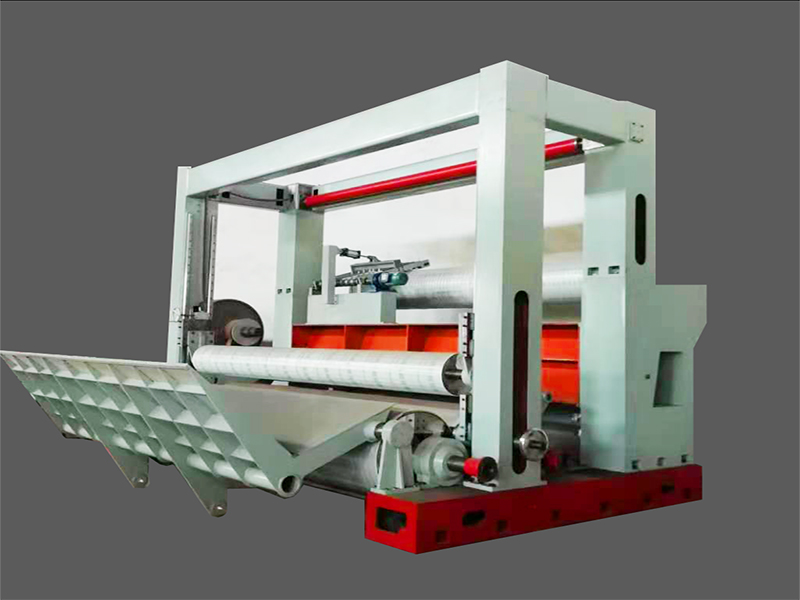
The core logic of Dissolved Air Flotation (DAF): Under high pressure, a large volume of air is dissolved into water. The water is then rapidly depressurized to release micro-sized tiny bubbles. These bubbles adsorb suspended flocs in the wastewater, which float to the water surface to form scum relying on buoyancy. The scum is scraped off by a slag scraper to realize solid-liquid separation.
Learn More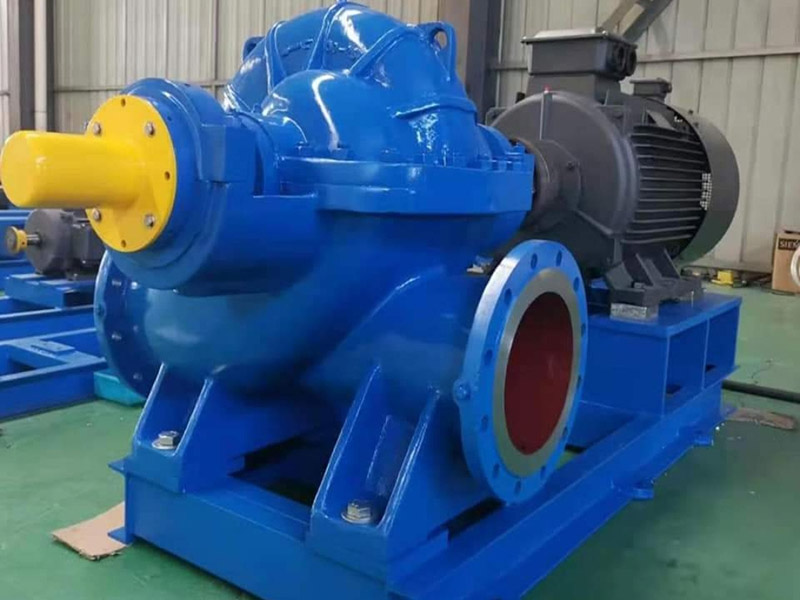
The core logic of Dissolved Air Flotation (DAF): Under high pressure, a large volume of air is dissolved into water. The water is then rapidly depressurized to release micro-sized tiny bubbles. These bubbles adsorb suspended flocs in the wastewater, which float to the water surface to form scum relying on buoyancy. The scum is scraped off by a slag scraper to realize solid-liquid separation.
Learn More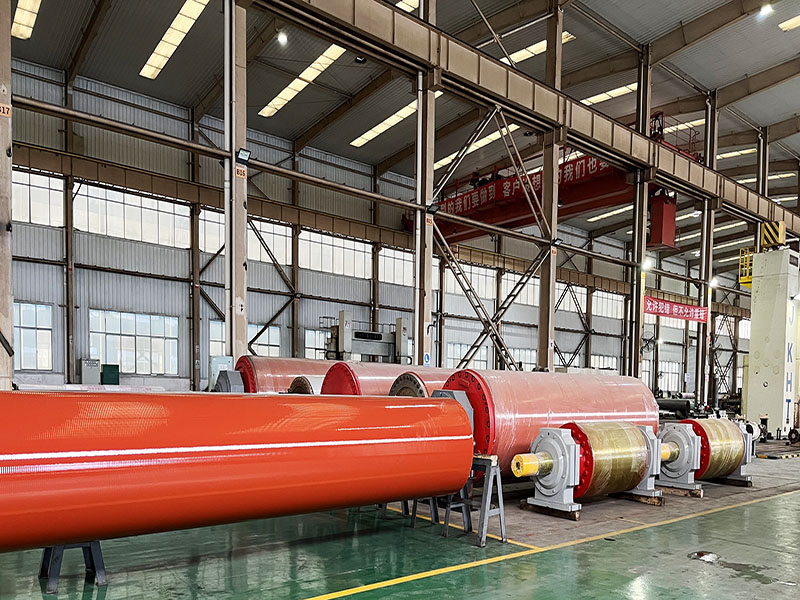
The core logic of Dissolved Air Flotation (DAF): Under high pressure, a large volume of air is dissolved into water. The water is then rapidly depressurized to release micro-sized tiny bubbles. These bubbles adsorb suspended flocs in the wastewater, which float to the water surface to form scum relying on buoyancy. The scum is scraped off by a slag scraper to realize solid-liquid separation.
Learn More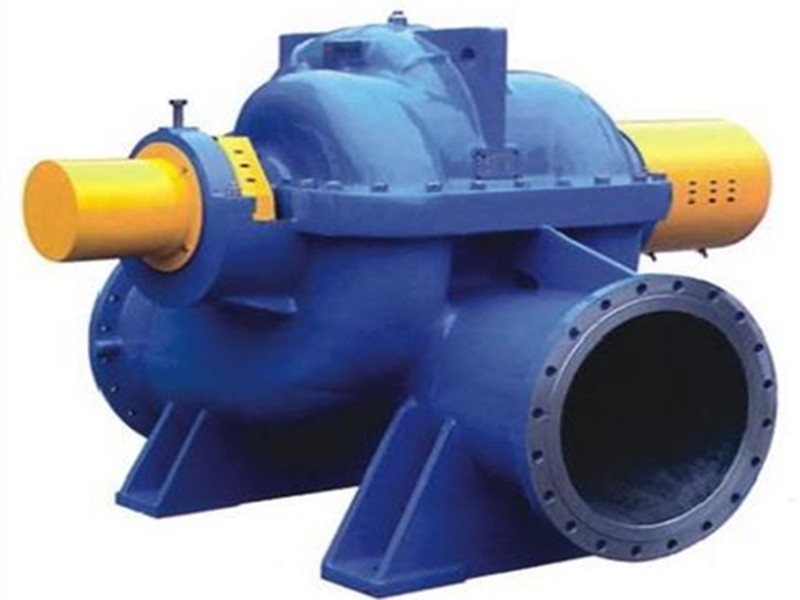
The core logic of Dissolved Air Flotation (DAF): Under high pressure, a large volume of air is dissolved into water. The water is then rapidly depressurized to release micro-sized tiny bubbles. These bubbles adsorb suspended flocs in the wastewater, which float to the water surface to form scum relying on buoyancy. The scum is scraped off by a slag scraper to realize solid-liquid separation.
Learn More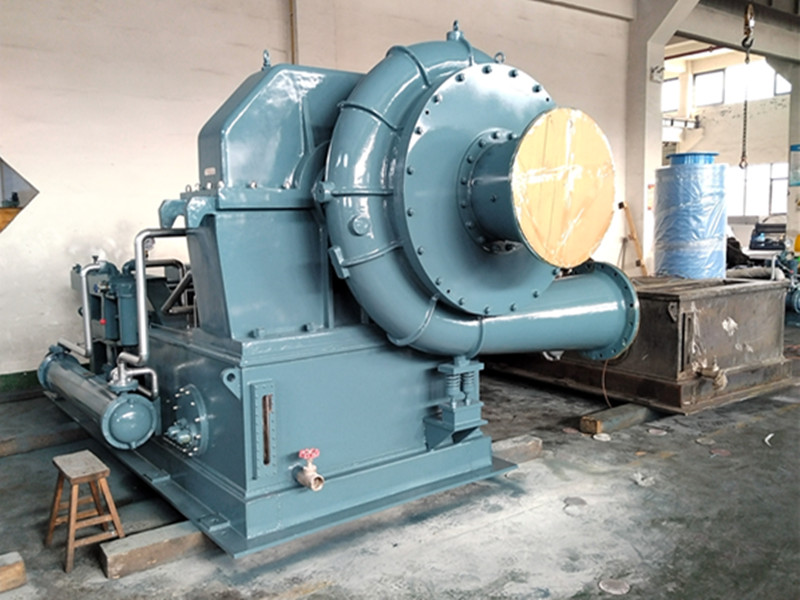
The core logic of Dissolved Air Flotation (DAF): Under high pressure, a large volume of air is dissolved into water. The water is then rapidly depressurized to release micro-sized tiny bubbles. These bubbles adsorb suspended flocs in the wastewater, which float to the water surface to form scum relying on buoyancy. The scum is scraped off by a slag scraper to realize solid-liquid separation.
Learn More Newsletter
 +86 -18039135891
 annyzvv@163.com
snowfoxmachinery@outlook.com
annyzvv@163.com
snowfoxmachinery@outlook.com
 Address: 95 North of Jingsan Rd, Jinshui Dist, Zhengzhou,China
 IPv6 network supported